
It’s 2 a.m. The lights are off, but you’re still lying awake, tossing and turning. Every time you look at the clock, you become more anxious. “I have work tomorrow. How am I going to get through the day if I can’t sleep?”
If you’ve experienced this, you’re not alone.
But have you ever stopped to wonder whether your daily diet could be one reason you can’t sleep well? Many People focus on stress, anxiety, or screen time, but they rarely think about the foods they eat every day.
The truth is, your diet can have a bigger impact on your sleep than you might expect. According to trusted health experts, including the Sleep Foundation, Sleep Doctor, and Healthline, certain nutrients in food help your body produce sleep-supporting hormones, relax your nervous system, and improve overall sleep quality.
Today, many people spend money on sleep supplements or rely on sleeping pills. Others try random home remedies they find online, hoping for a quick fix. But some of the most effective natural sleep aids may already be in your kitchen.
In this article, you’ll discover 10 science-backed foods that may help you fall asleep faster, sleep more deeply, and wake up feeling refreshed—naturally.
How Food Affects Your Sleep
Before looking at the foods themselves, it’s helpful to understand why they work.
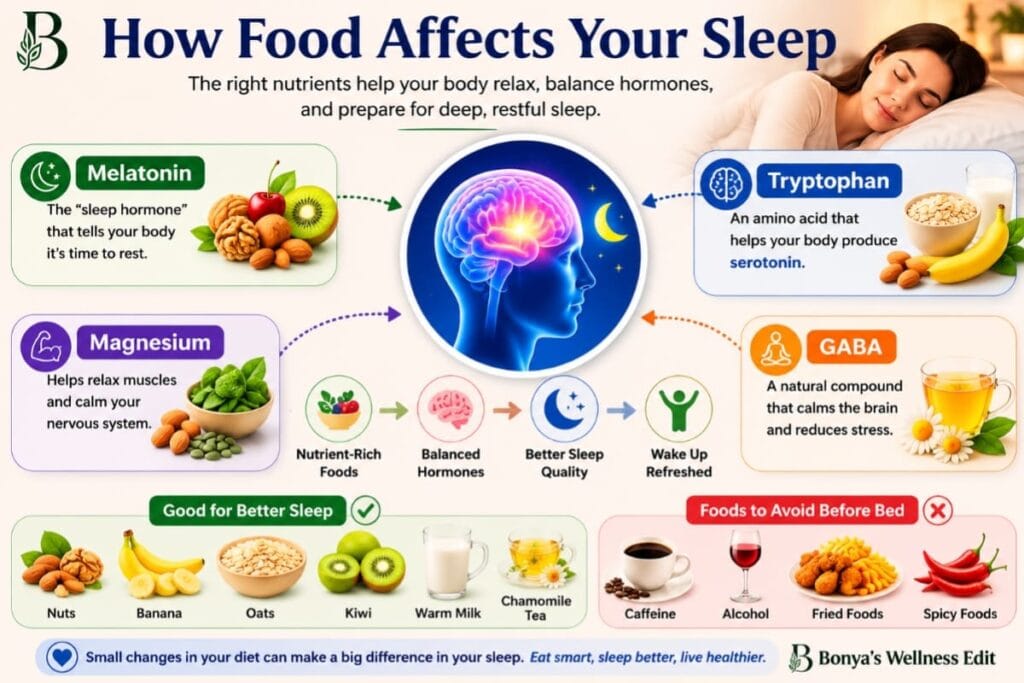
Your body depends on several nutrients and natural compounds to regulate healthy sleep.
Melatonin
Melatonin is often called the sleep hormone. It helps control your body’s internal clock, also known as the circadian rhythm. As melatonin levels rise in the evening, your brain receives the signal that it’s time to sleep
Tryptophan
Tryptophan is an essential amino acid that your body cannot produce on its own. After you eat foods containing tryptophan, your body converts it into serotonin, which is then converted into melatonin.
Magnesium
Magnesium helps relax muscles, calm the nervous system, and support healthy melatonin production. Low magnesium levels have been linked with poor sleep in some people
GABA
Gamma-Aminobutyric Acid (GABA) is a calming neurotransmitter that slows brain activity. It helps reduce stress, quiet racing thoughts, and prepare your body for sleep.
That’s why foods rich in these nutrients may naturally support better sleep without medication. Now I’ll explain the top 10 foods that may help you sleep better.
1. Nuts ( Almonds, Walnuts, and Cashews)
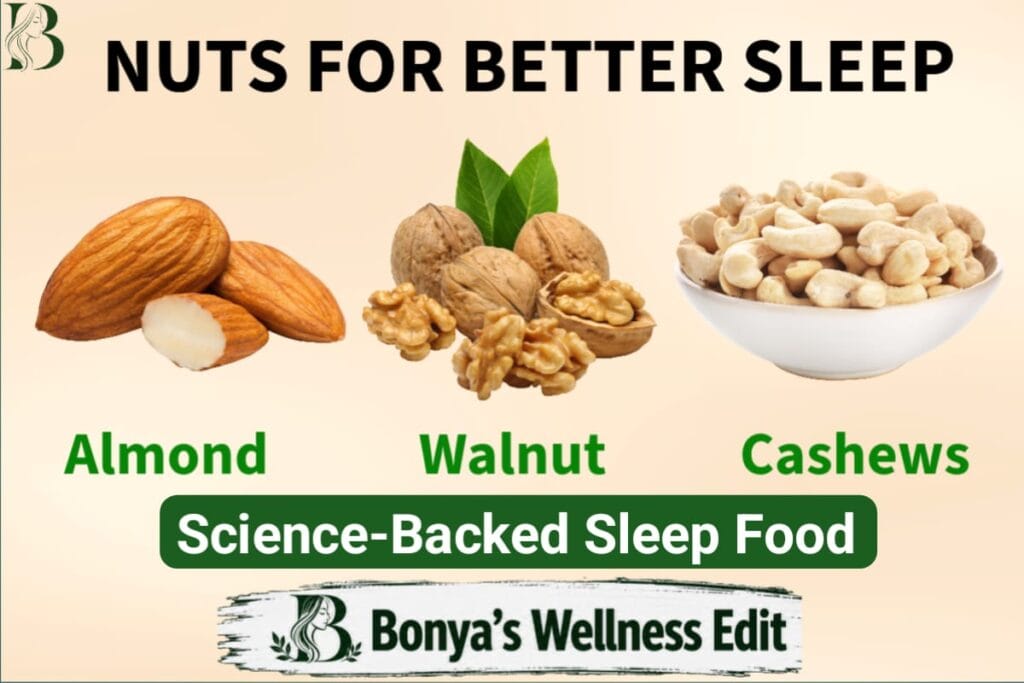
Almonds, walnuts, and cashews provide several sleep-supporting nutrients, including melatonin, magnesium, zinc, and healthy fats.
Science Behind it:
Research suggests that melatonin helps regulate your sleep cycle, while magnesium relaxes your muscles and nervous system. Walnuts also contain omega-3 fatty acids, which may help your body produce serotonin. Together, these nutrients may improve sleep quality.
Best way to enjoy them:
Eat a small handful (about 10–12 nuts) around one hour before bed. Choose unsalted and unflavored varieties for the healthiest option.
You May Also Like: How Meditation Helps Anxiety (5 Simple Ways to Calm Your Mind Naturally)
2. Warm Milk
Many of us grew up hearing that a glass of warm milk before bed helps us sleep. As it turns out, there is real science behind this traditional advice.

Science Behind it
Milk naturally contains tryptophan, the amino acid your body uses to produce serotonin and melatonin. Some research also suggests that milk collected at night contains higher levels of melatonin than milk collected during the day.
While warm milk isn’t a miracle cure, it can become a comforting bedtime habit that helps your body relax.
Best Way to enjoy it:
Drink one cup of warm milk about 30 to 60 minutes before bedtime. If you like, add a pinch of cinnamon for extra flavor without adding too much sugar.
3. Bananas
Bananas are more than just a convenient snack. They also contain nutrients that may help your body prepare for restful sleep.
You May Also Like: Can’t Fall Asleep at Night? 5 Simple Bedtime Habits That Work.
Science Behind it:
According to research, they are a good source of magnesium and potassium, two minerals that help relax muscles and reduce nighttime muscle cramps. Bananas also provide healthy carbohydrates that may help tryptophan reach the brain more efficiently.
Together, these nutrients can help create the right conditions for better sleep.
Best way to enjoy them:
Eat one medium banana after dinner or about an hour before bed.
4. Oats
Oats are usually associated with breakfast, but they can also make an excellent evening snack.
Science Behind it:
They contain magnesium, tryptophan, and complex carbohydrates. Oats also provide butyric acid, which supports the production of GABA—a calming brain chemical that helps your nervous system relax before sleep.
Unlike sugary snacks, oats provide steady energy without causing large spikes in blood sugar.
Best way to enjoy them:
Prepare a small bowl of oatmeal with warm milk for a simple, comforting bedtime snack.
5. Eggs
Eggs are one of the best sources of high-quality protein, but they may also support healthy sleep.
They naturally contain melatonin along with tryptophan, making them a valuable addition to a sleep-friendly diet. Protein-rich foods can also help keep you full throughout the night, reducing the chances of waking up hungry.
Although eggs alone won’t cure insomnia, they can be part of an overall healthy eating pattern that supports better sleep.
Best way to enjoy them:
Include one boiled or poached egg with dinner as part of a balanced evening meal.
6. Kiwi
Kiwi is one of the best fruits for better sleep. It is naturally rich in serotonin, vitamin C, and antioxidants.
Serotonin helps your body produce melatonin, the hormone that controls your sleep cycle. The antioxidants in kiwi may also reduce inflammation and support better sleep quality.
One small study found that people who ate two kiwis about one hour before bed fell asleep faster and slept longer
Best way to enjoy it:
Enjoy 1-2 ripe kiwis about an hour before bedtime.
You May Also Like:
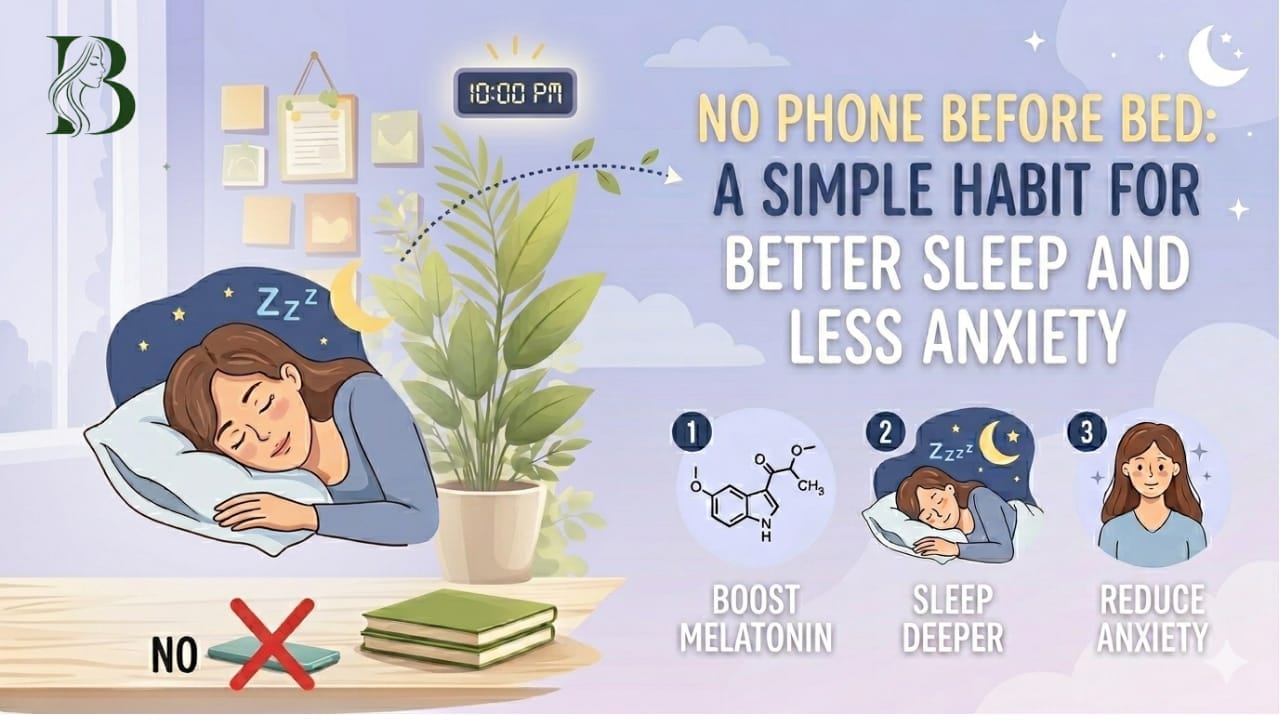
Using Phone Before Bed: Why It Hurts Sleep and Increases Anxiety
7. Chamomile Tea
If you enjoy a warm drink before bed, chamomile tea is an excellent choice.
Chamomile contains apigenin, a natural antioxidant that binds to certain receptors in the brain. It may help reduce anxiety, relax your nervous system, and make it easier to fall asleep.
Although it won’t cure insomnia overnight, drinking chamomile tea regularly may improve your bedtime routine and help you relax.
Best way to drink it:
Drink one cup of caffeine-free chamomile tea about 30–45 minutes before bed.
8. Pumpkin Seeds
Pumpkin seeds are small, but they are packed with nutrients that support healthy sleep.
They are rich in magnesium, zinc, and tryptophan. Magnesium helps relax your muscles, while tryptophan helps your body produce serotonin and melatonin.
Eating pumpkin seeds regularly may support better sleep and also provide healthy fats and protein.
Best way to eat them:
Eat 1–2 tablespoons of unsalted pumpkin seeds, or sprinkle them over oatmeal, yogurt, or a salad.
9. Spinach and Leafy Green
Leafy green vegetables like spinach are great for your overall health and may also help you sleep better.
They provide magnesium, folate, and fiber, which help support your nervous system and healthy muscle function. These nutrients may also help your body maintain a healthy sleep cycle.
Best way to eat them:
Add spinach or other leafy greens to your dinner a few times each week.
10. White Rice
Many people think eating white rice at night is unhealthy. However, eating a small portion may actually help some people sleep better.
White rice contains carbohydrates that help tryptophan reach the brain more easily. This supports the production of serotonin and melatonin, two important sleep-related hormones.
The key is moderation. Eating too much before bed may cause discomfort.
Best way to eat it:
Enjoy a small serving of white rice with vegetables and lean protein 2–3 hours before bedtime.
Foods to Avoid Before Bed
Eating the right foods is important, but avoiding certain foods before bedtime can improve your sleep even more. Now I will explain which foods you have to avoid before bed for better sleep.
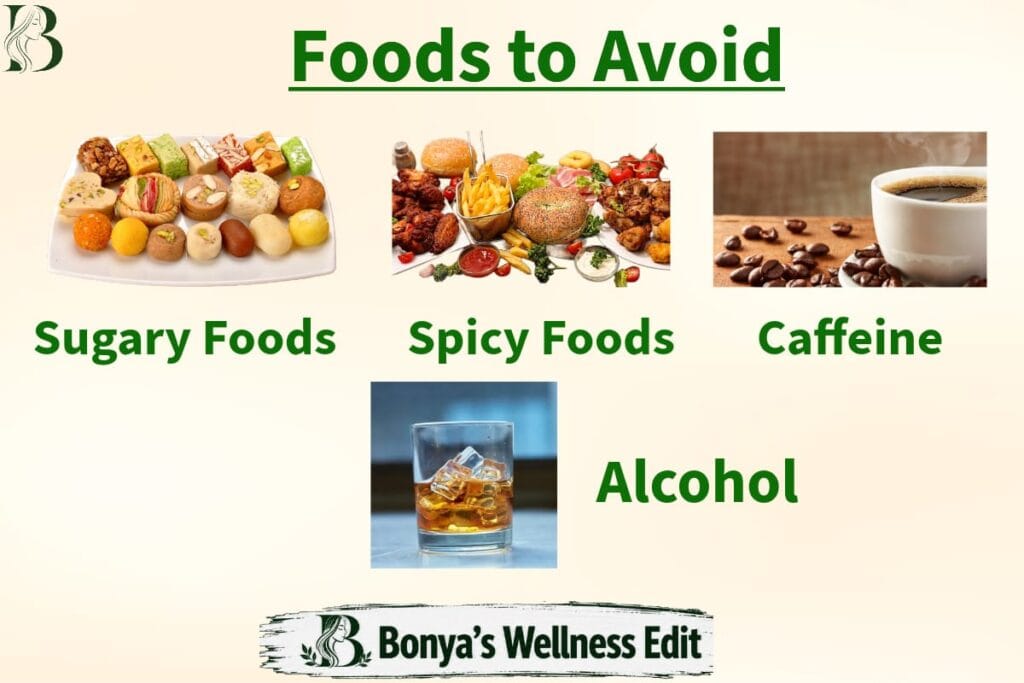
Sugary Foods
Foods high in sugar can quickly raise your blood sugar levels. This may make it harder to stay asleep and increase the chances of waking up during the night
Spicy Foods
Spicy meals may cause heartburn or acid reflux, making it uncomfortable to sleep.
Caffeine
Coffee, black tea, energy drinks, and some soft drinks contain caffeine, which keeps your brain alert.
Try to avoid caffeine at least 6–8 hours before bedtime.
Alcohol
Alcohol may help you fall asleep faster, but it reduces deep sleep and REM sleep. As a result, you may wake up feeling tired the next morning.
Fried and Fatty Foods
Heavy, greasy meals take longer to digest and may leave you feeling uncomfortable before bed.
Final Thoughts
There isn’t one magic food that will cure insomnia overnight. However, choosing the right foods and following healthy sleep habits may improve your sleep over time.
Try to eat a balanced diet, keep a regular sleep schedule, avoid screens before bed, and stay physically active during the day.
Small daily habits often make the biggest difference.
If you continue to have trouble sleeping for several weeks, or if poor sleep affects your daily life, speak with a qualified healthcare professional.
Frequently Asked Questions
1. What is the best food to eat before bed?
There isn’t one perfect food, but almonds, kiwi, warm milk, oats, and bananas are all excellent choices that may support better sleep.
2. How long before bed should I eat?
Try to finish your last meal or snack 1–2 hours before bedtime to give your body enough time to digest.
3. Can food really improve sleep?
Yes. A healthy diet may support better sleep, especially when combined with good sleep habits. However, food alone may not cure chronic insomnia.
4. What foods should I avoid before bed?
Try to avoid sugary foods, spicy meals, fried foods, alcohol, and drinks that contain caffeine. These foods can make it harder to fall asleep or reduce your sleep quality.
5. Can eating before bed affect sleep?
Yes. Eating a large or heavy meal right before bed may cause indigestion, heartburn, or discomfort. If you feel hungry at night, choose a light snack like a banana, a handful of almonds, or warm milk about 1–2 hours before bedtime.
6. Can these foods cure insomnia?
No. These foods are not a cure for insomnia. However, they may support better sleep as part of a healthy lifestyle. If you have chronic insomnia or ongoing sleep problems, talk to a healthcare professional.
References:
- Sleep Foundation: https://www. sleepfoundation.org
- Healthline: https://www.healthline.com
- Cleveland Clinic: https://health.clevelandclinic.org





💬 Have a question or experience about this wellness tip? Share your thoughts below and join the discussion.