

Struggling to fall asleep at night? You’re not alone. Stress, late-night screen time, caffeine, and irregular routines can all make it harder to get quality sleep.
The good news? Small bedtime habits can make a noticeable difference over time. Here are five simple, science-backed habits to help you sleep better. Here I, Bonya, am giving you a clear idea to the point, no exaggeration. I have taken the source from different reliable websites, which I maintain later.
1. Keep a Consistent Sleep Schedule
Go to bed and wake up at the same time every day – even on weekends. A regular sleep schedule helps your body’s internal clock stay in sync, making it easier to fall asleep and wake up naturally.
Quick Tip :
Aim for 7-9 hours of sleep each night.
2. Avoid caffeine late in the Day
Coffee, tea, energy drinks, and some soft drinks contain caffeine, which can stay in your body for several hours. Drinking caffeine in the afternoon or evening may make it harder to fall asleep.
Quick Tip :
Try to avoid caffeine at least 6 to 8 hours before bedtime.
3. Put Away Screens Before Bed
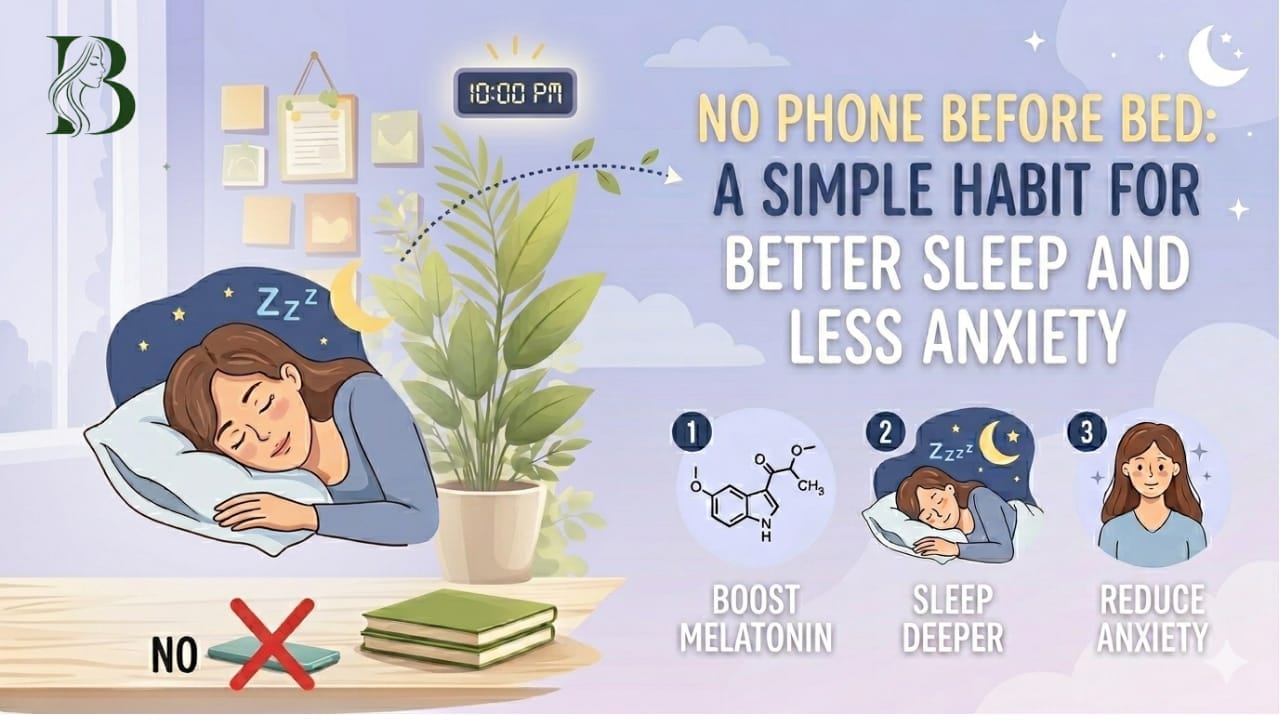
Phones, tablets, and TVs emit blue light that may reduce melatonin- the hormone that helps regulate sleep. Scrolling through social media or watching videos can also keep your brain alert.
Quick Tip
Stop using screens 30 to 60 minutes before bed. Instead, read a book or listen to calming music.
4. Make Your Bedroom Sleep- Friendly
Your sleep environment matters. A cool, dark, and quiet room can help your body relax and iprove sleep quality.
Quick Tip :
Keep the room comfortable, reduce noise, and dim the lights before bedtime.
5. Calm Your Mind Before Sleeping
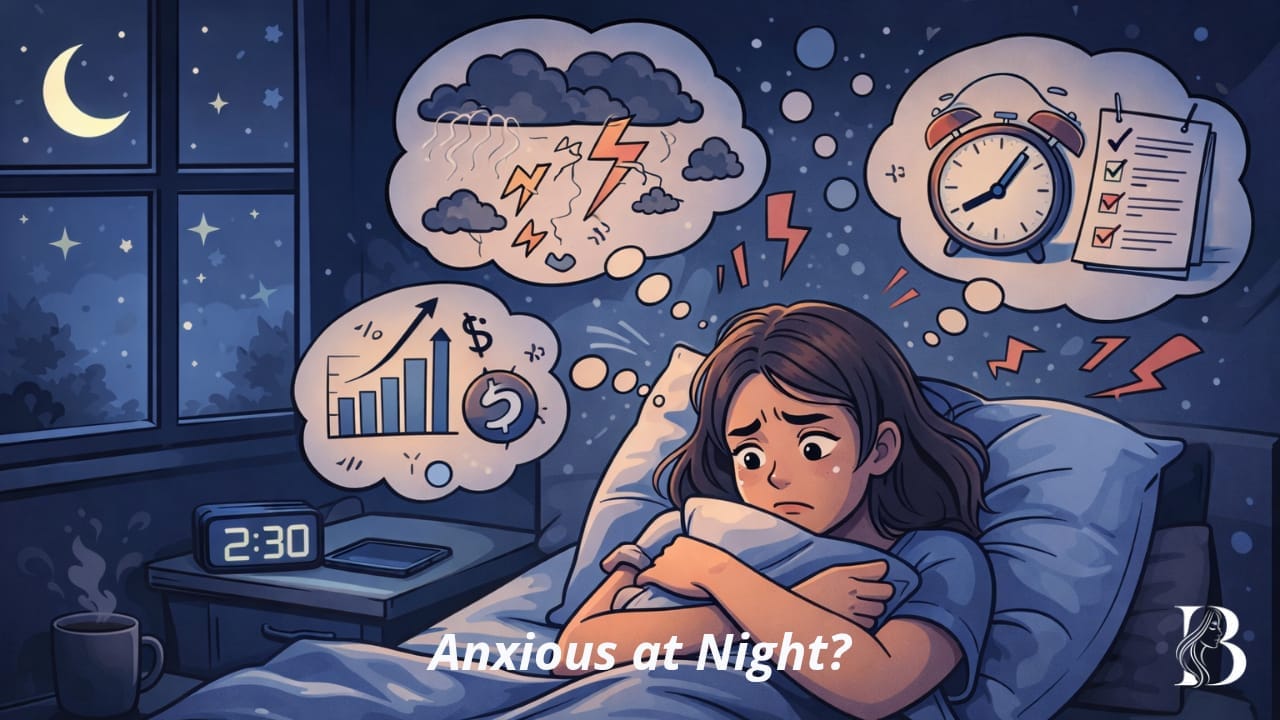
Stress and racing thoughts are common reasons people struggle to fall asleep. Taking a few minutes to relax can prepare your mind for sleep.
You can try:
- Deep breathing
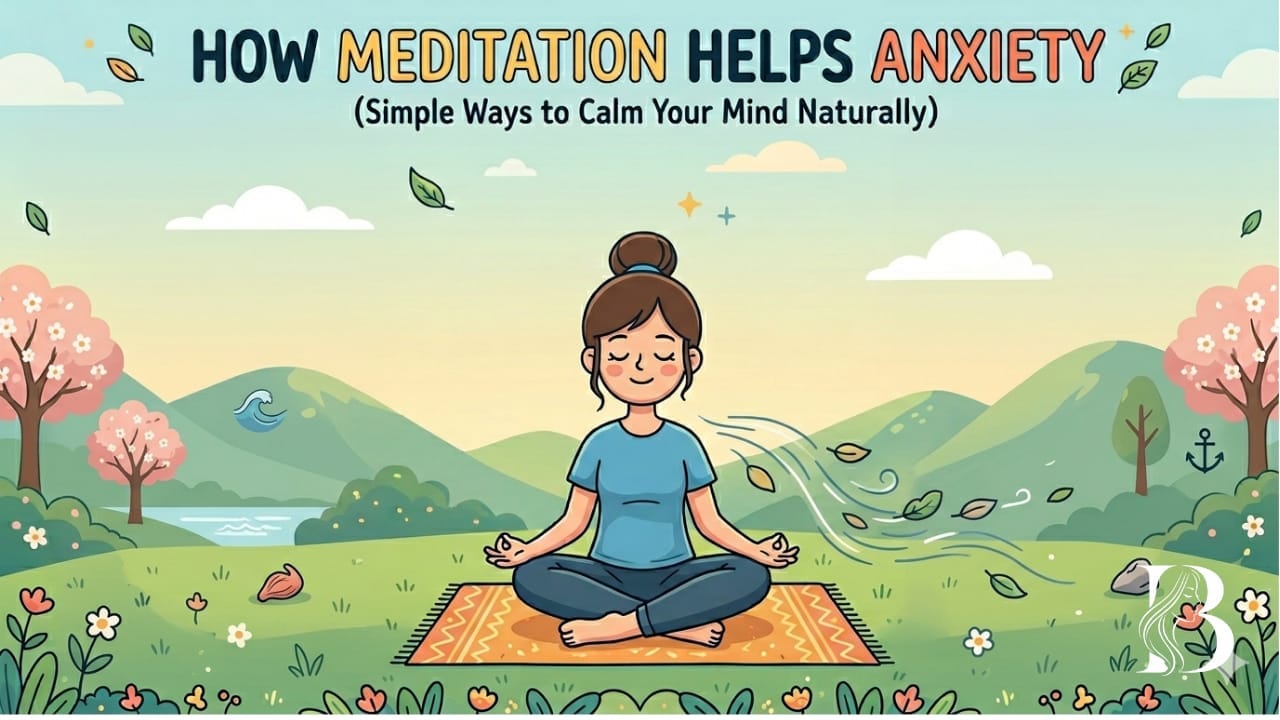
- Meditation
- Gentle stretching
- Writing tomorrow’s to-do list
- Or you can read a book.
Even 5-10 minutes of relaxation may help you unwind.
Final Thoughts
Better sleep doesn’t usually come from one big change — it comes from small habits practiced consistently. Start with one or two of these bedtime habits and stick with them for a couple of weeks. Over time, you may notice it becomes easier to fall asleep and wake up feeling refreshed.
If you regularly have trouble sleeping for several weeks or you sleep problems affect your daily life, it’s a good idea to speak with a healthcare professional.
Reference
Mayo Clinic. Sleep tip: https://www.mayoclinic.org



💬 Have a question or experience about this wellness tip? Share your thoughts below and join the discussion.