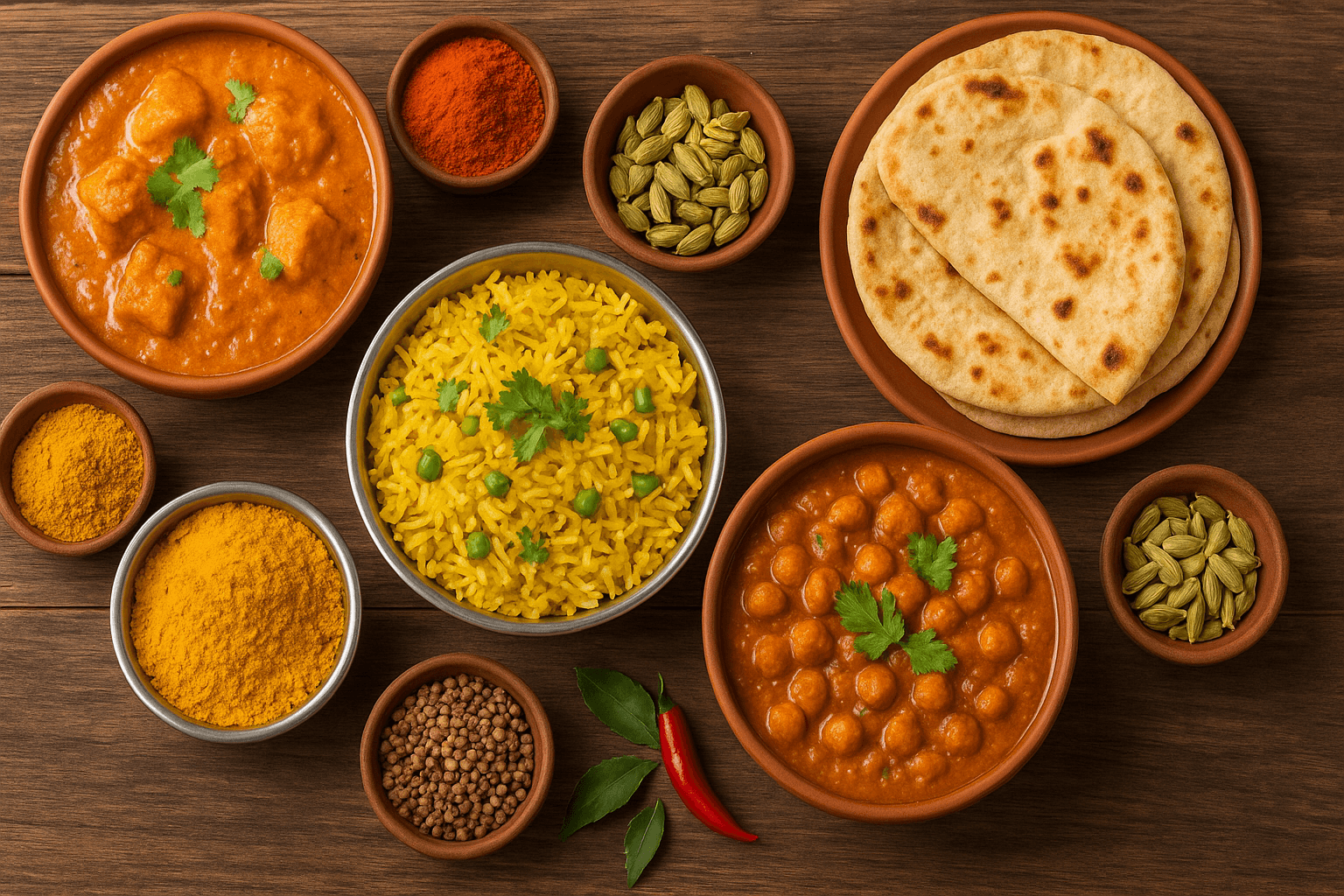
The African kitchen is a warm, lively, and culturally rich space where food is prepared with tradition, skill, and community spirit. Many African kitchens blend both modern and traditional elements. In rural areas, cooking is often done outdoors or in semi-open kitchens using firewood, charcoal, or clay stoves. The aroma of roasted maize, grilled meat, and simmering stews fills the air, creating a welcoming atmosphere.
Traditional African cooking tools include clay pots, wooden mortars and pestles, and iron pans. These tools give dishes unique flavors and textures that modern appliances cannot easily recreate. In urban areas, kitchens may feature gas stoves, fridges, and microwaves, yet traditional methods and flavors are still deeply valued.
African cuisine is incredibly diverse, reflecting the continent’s many cultures. West African kitchens often prepare jollof rice, fufu, and spicy soups. East African kitchens may cook ugali, chapati, and lentil stews, while North African kitchens are known for couscous, tagines, and aromatic spices. Fresh ingredients like vegetables, grains, beans, cassava, and plantains are commonly used.
The African kitchen is not just a place for cooking—it is a place where families gather, stories are shared, and traditions are passed down. It symbolizes hospitality, togetherness, and the joy of preparing food with love.